

It takes time, effort, and consistency to build quality links. If you are missing out on any one of these factors, you might think that building black hat backlinks is an easy way out. But is it really true? Let me explain this to you with further information.
In 2012, Google launched the update named “Penguin,” which targeted the websites that used black hat links to attain higher ranks. Their rankings saw a downfall over time because they used shortcuts for their website’s success. That being said, you must know which black hat link-building techniques to avoid.
Before moving on to this step, let us define black hat SEO link building for you and how to spot black hat links.
What is Black hat SEO Link building?
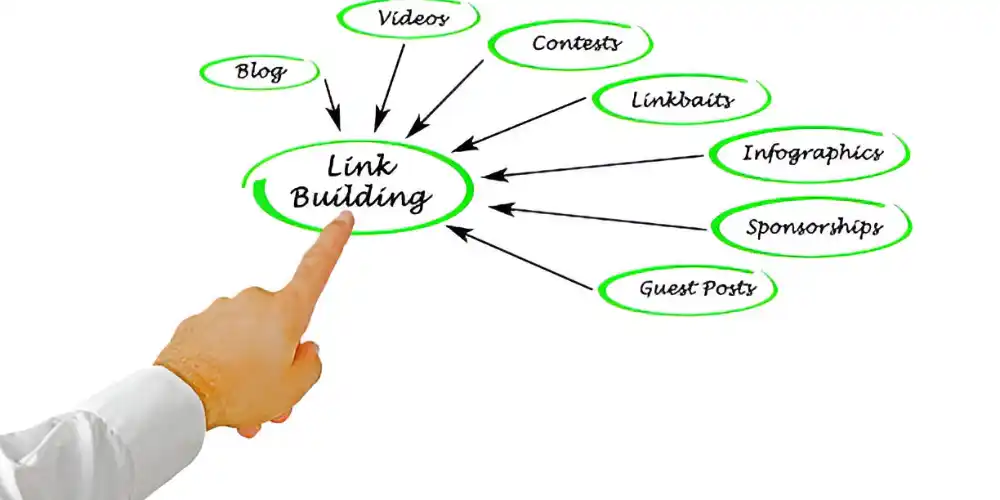
Black hat link building refers to the process of obtaining backlinks that violate the guidelines of search engines, especially Google. In the SEO world, “Black hat” means using unethical practices to manipulate the algorithms of the search engine.
There are many benefits of link building, but as far as black hat SEO link building is concerned, these benefits are short-lived. So, always determine the long-term risks before trying your hands in building black hat links.
How do you spot black hat links?
Steps to take to find the blackhat backlinks –
-
Checking search console
Go to Google Search Console. Click “Security and Manual actions,” then “Manual actions.” You will be able to find any issues with your website here. Along with the issues, the search engine will tell you about the solutions to fix the problems. You will see the descriptions of the problems and affected pages.
Now, take the necessary steps to remove them. After that, ask the Google search engine to review the links again. If everything goes well, Google will remove the penalty. However, if there aren’t any issues, it will reflect the message “No issues detected.”
-
Backlink audit
Yet another step is to run a backlink audit of your website. It will help you in generating all links on your website and checking their quality. You can use several technical SEO Tools like SEM Rush with backlink audit features for the same. Check the domains that link to you. If you find any of them suspicious, check their website and pay attention to their content, its quality, and whether there are any suspicious external links or not.
How to Avoid Blackhat links?
Black hat SEO might seem a tempting technique to you. But in the long run, it is always going to do you more harm than good. Thus, it is always recommended to get in touch with reliable SEO services to work towards your website ranking on search engines in the most organic way.
-
PBNs
Private Blog Networks, shortly called PBN, is a group of websites that are built solely to build links to a single website to boost the rankings. It is a black hat link-building SEO technique as it manipulates the search engine rankings. Moreover, search engines often penalize such sites.
It is a quick SEO ladder, but it has its risks, like reducing a website’s visibility as a result of search engine penalties and chances of being outed by competitors, which can damage your reputation. Thus, using genuine link-building strategies is advisable.
-
Keyword stuffing
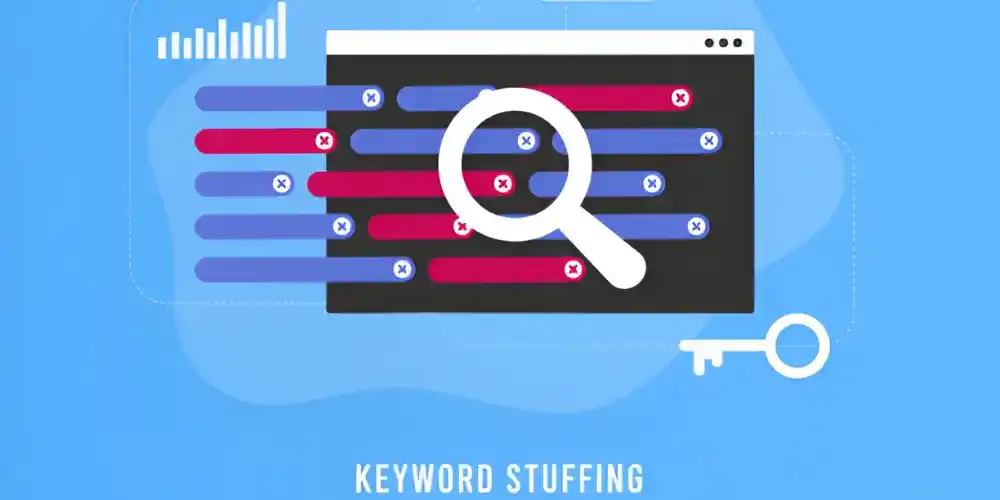
Keyword stuffing means stuffing the content pieces with specific keywords to manipulate the page’s ranking. If you are adding multiple keywords that add no value to the content, you are ensuring a bad user experience for your website visitors.
Such content has the power to deceive search engines and make the content look spammy, and Google can penalize sites. Users also start losing their trust in your websites. So, instead of keyword stuffing, focus on creating relevant content pieces.
-
Blog comment spam
Blog comment spam is the process when individuals or bots fill the comment section of the blog with the links of their own site. They do so to gain backlinks for their website. This becomes a roadblock when genuine users try to comment. Readers start getting annoyed with the irrelevant comments and may start to distrust the website.
-
Adding links to Plug-Ins
It is a black link-building technique where a person creates a plug-in or theme for the website owners to install on their sites. The individual creating a plug-in adds a link to their site in the form of the plug-in’s code.
Whenever someone installs this plug-in, they automatically link back to the target website. A successful plug-in means you will get a high volume of links.
-
Cloaking
Cloaking is the practice of showing different content or URLs to users and search engines. This deceptive technique aims to rank higher by presenting search engines with optimized content while displaying different content to users, leading to potential penalties.
-
Hidden Text and Links:
This tactic involves hiding text or links within a webpage by making them the same color as the background, using tiny fonts, or positioning them off-screen. The hidden content is meant to manipulate search engine rankings without being visible to users, which is against search engine guidelines.
To make a long story short
It is important to make a wise choice between ethical methods and unethical ones. You don’t want to experience the downfall while adopting black hat SEO techniques. Thus, always build the foundation of your website using transparency that benefits not only the users but also the search engines.
Having said that, you can always look for a professional SEO marketing company to help you in the best manner possible. Our digital marketing company, SEO Propellant, will assist you in navigating the intricacies of the SEO world seamlessly and achieve the aims you have set for your business.